Get me outta here!
Showing posts with label Grow Issues. Show all posts

7.28.2019

Copper Deficiency In Marijuana Plants

If your marijuana plant has a copper deficiency, this means simply that it doesn’t receive enough copper. This could be due to a lack of copper in its nutrients or something stopping it from accessing the normal amounts of nutrients.
Copper toxicity is when the plant has too much copper. This also means it is unable to use iron(Fe).

Signs of a copper deficiency
Sings of a copper deficiency cannabis
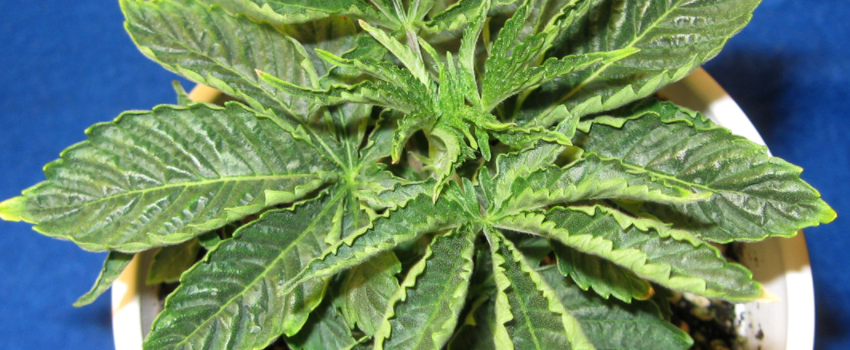
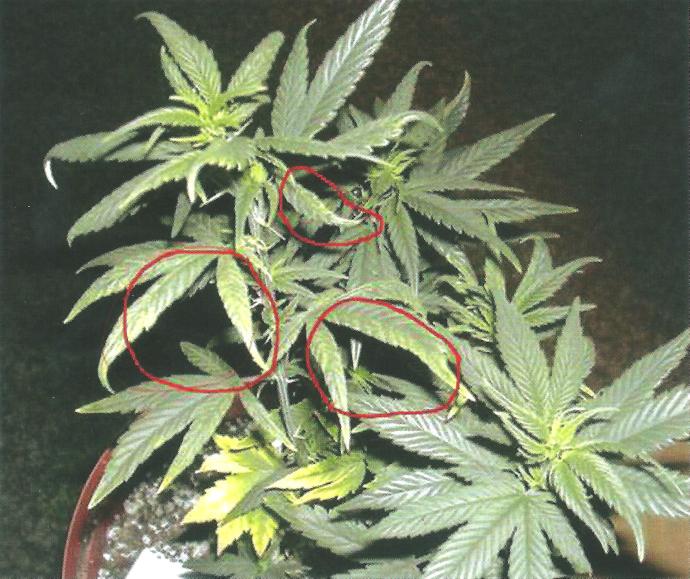
While copper deficiencies don’t occur very often, they can make a major impact on your crop when they do happen. You will first see it cropping up on the younger leaves, which will start to become discolored on their tips and margins.
They will have an odd, metallic glint to them of a copper-gray or blue-ish color. The flesh between the veins, however, will start turning yellow.
You might also notice curling or wilting of the leaves, which will eventually turn into complete leaf death. Although just seen in a few leaves at first, it could lead to a full wilting of the plant.

You will notice your plant having trouble with new growth, and the flowers in male marijuana plants won’t mature properly while females’ stigmas will exhibit abnormal growth.
With copper toxicity, on the other hand, the leaves will simply start to yellow, your plant’s roots will grow unnaturally large, and they will start decaying. This comes from your plant’s inability to utilize iron (Fe).
Not sure if your plants have a copper deficiency? Read the article Nutrient deficiencies in marijuana plants for a list with pictures of all deficiencies.

How to fix a copper deficiency

How to fix copper deficiency cannabis
The first thing you should do if you think your plants may have a copper deficiency is to flush out everything with pH-balanced water that contain a mixture of nutrients. The pH level is extremely important. If your growing marijuana in soil, copper will be absorbed by your plant the best if it is at a pH level of between 6.0 and 7.0. In hydroponics systems, try going to a pH range between 5.5 and 6.0 instead.
To make sure that a copper deficiency or surplus doesn’t devastate your plants, you could try a product like Marijuana Booster to make sure your plants get a balanced serving of all the nutrients they need.

Another way of dealing with copper deficiency is to feed the foliage with copper fungicides. Copper fungicides include copper sulfate and chelated copper. Other natural substances that can help with copper deficiencies are greensand, kelp, and compost.
A more surprising option you might want to look into is actually soaking dimes or quarters in water, then feeding the plants with this water. This is because dimes and quarters are made up of almost all copper – 92%!
Don’t fret if the old abnormal growths don’t recover – new growths will form and will be healthy if you got rid of the copper deficiency problem.

List of marijuana plant symptoms

You can recognize a plant that has a copper deficiency differently, depending on whether the leaves are old or young. In younger leaves, the following symptoms may be exhibited:
Leaf Color:

– Darkened, twisted leaves

– Undertones of blue and/or purple
– Metallic glinting

Leaf Symptoms:

– Leaves curling under

– Tips that are turning yellow or white
In older leaves, on the other hand, you may instead see pale yellowing or the leaves turning white. Other symptoms you might see on the plant are:
Leaf Symptoms:

– New growths have trouble beginning to grow

Plant Symptoms:

– Lack of ripening in the buds or growth is very slow

– The female pistils are not growing regularly
– Limp, wilting plant and/or leaves
– General growth abnormalities
– Weakened stems
– Slow, twisted, or curling growing patterns

Almost all soil and water has a certain amount of copper at minimum, so it is quite rare that the deficiency comes from there. Instead, the issue most likely stems from a pH problem. When the pH isn’t balanced, your plants lose some of their ability to access nutrients.
Copper toxicity is also rare, but not to be ignored. If your plant receives too much copper, it could die very quickly. Make sure you are proactive when you suspect a copper problem!

Thank you readers for your interest in the article. Please like and comment so we have more motivation to write articles
Boron Deficiency In Marijuana Plants

Boron is an extremely important nutrient that helps marijuana plants use calcium. It helps with maturation, pollen germination, seed production, cell division, the formulation of proteins, keeping the leaves a healthy color, and plant structure formation. It also keeps your plant’s stems, stalks, and branches at a healthy level of strength.
When there isn’t enough boron or your plant has restricted access to it, it most likely will have a boron deficiency. It is rare that a boron deficiency will be the only problem that your marijuana plant has if you do notice it has this condition. It can come from an unbalanced pH level and might come with other nutrient problems.
Boron deficiencies are most common in western soils, although even in western soils they are quite rare. A lack of boron is not mobile, which means that it will only affect new growth.

Signs of a boron deficiency

Signs of boron deficiency weed
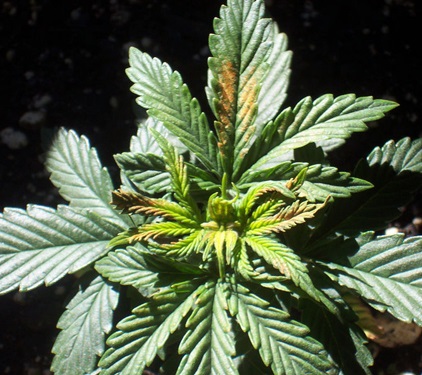
You will start to notice your marijuana plants’ uppermost leaves growing abnormally or more slowly than usual. The tips of growths won’t grow quite right, i.e. they may appear twisted and start to die. New leaves may be wrinkled or curled.
When there’s a boron deficiency, the roots of your plants will grow unhealthily or slowly. Stems, including leaf stems and the main stem, could start to hollow and roughen. Boron deficiencies are most likely to occur when your plant hasn’t been receiving enough water, or when the humidity in the air is extremely low.
Since boron helps with your plants’ use of calcium, the symptoms can appear similar to calcium deficiencies. New growths are the parts that you will notice the biggest changes. Oftentimes a boron deficiency also comes with a lack of potassium or nitrogen, since a plant requires these nutrients in order to utilize boron.

When the growing tips on your marijuana plant begin looking brown or gray and eventually die, it is safe to assume that a boron deficiency is the problem. After these growing tips die, lateral shoots will start to grow, but without enough boron this growth will soon lead to death. Before they die, these shoots will appear sunburnt and gnarled, and will be a vibrant green in color.
The leaves will start developing spots on it that are brown and dead, and the surrounding tissue will clearly be dying as well. These spots are how you distinguish a lack of boron from a calcium deficiency: the spots are smaller with the boron problem.
If a boron deficiency is left untreated, it will eventually bring root growth to a halt, and will make the secondary roots shorten and swell. Because the roots are more fragile in this state, there is an added risk of fungal or bacterial infections. Unless stopped, a lack of boron will cause all the leaves on your plant to fall off, and the plant itself will eventually die.
Not sure if your plants have a boron deficiency? Read the article Nutrient deficiencies in marijuana plants for a list with pictures of all deficiencies.

How to fix a boron deficiency

How to fix boron deficiency cannabis
Most of the time a boron deficiency comes from the grower over-fertilizing their plants. Make sure to avoid this so that you don’t end up with a boron deficiency in the first place. You could use something like Marijuana Booster from the beginning to avoid a boron problem.
If you do find yourself with boron-deficient plants, you have a few options for courses of treatment. You can treat your water solution with boric acid (wiki)- one teaspoon of boric acid per gallon of water. You can use Marijuana Booster for treatment as well, as borax, compost, or compost teas.

Boron deficiency sometimes comes from the pH level being too high or low. In soil, roots can absorb boron the best if the pH level is between 6.0 and 6.5. In a hydroponic system, absorption of boron happens best between 5.5 and 6.2. Flush the entire system with water of the proper pH as well as nutrients mixed in. You should see new growth starting to come in normally within a few days.
A boron deficiency also might be due to a lack of potassium and nitrogen, in which case you should water your plants regularly with these nutrients. If your grow room is quite dry, you can use a humidifier to help lessen the symptoms of boron deficiency.

List of marijuana plant symptoms

Leaf Color:

– Pale leaf color
– Purple or darkened leaf color
– Dark brown spots on leaves

Leaf Symptoms: 

– Browning or burnt leaf edges

Plant Symptoms:

– Thicker growth tips
– Slowed growth
– Twisted or abnormal growth

Boron is found in most tap water, so unless you are using extremely filtered or reverse osmosiswater, you should not encounter a boron problem. If you are watering your plants with tap water and it appears they have a boron deficiency, first check out conditions with similar symptoms to see if boron is really the issue.

Molybdenum Deficiency In Marijuana Plants

Molybdenum is responsible for turning nitrates into ammonia, which helps with protein production. This means that molybdenum is an extremely important nutrient.
If your marijuana plant has a molybdenum deficiency, it means it is not receiving an adequate amount of this nutrient.
If there is a surplus of molybdenum, your plant probably won’t receive much damage (unlike if humans have too much of it, which is very harmful).

Signs of a molybdenum deficiency

Signs of molybdenum deficiency weed
A lack of molybdenum is so rare that for generations it wasn’t even identified as a mineral required by many plants. It almost always is present in low but consistent amounts.
If your plant has a molybdenum deficiency, its leaves located towards the middle are going to start yellowing. This will gradually migrate to the shoot and young leaves – they will begin twisting and curling.
Eventually, the leaves will become pale and look like they have been burnt. Growing will slow down and/or be abnormal. Older leaves will start showing signs of the condition when their margins are rolling, their growth is slowing, and the tips are curling in and turning red.

Often people mistake a molybdenum deficiency for a nitrogen deficiency. The key to distinguishing between the two is noticing where the condition starts. With a nitrogen deficiency, the changes will begin at the base of the plant; a molybdenum deficiency, on the other hand, begins in the middle of the plant and moves upward.
When your plant has too much molybdenum, on the other hand, it could be mistaken for a lack of iron or copper. Not sure if your plants have a molybdenum deficiency? Read the article Nutrient deficiencies in marijuana plants for a list with pictures of all deficiencies.

How to fix a molybdenum deficiency

How to fix molybdenum deficiency cannabis
You can prevent a molybdenum deficiency by using something like Marijuana Booster or a foliar spray made of fertilizers that can be dissolved in water. You can also make sure your plants aren’t over-fertilized by just making a mixture with hydroponic micronutrients, which can be applied via the soil or directly to the plant with a foliar spray.
You can also avoid a molybdenum deficiency by paying attention to the sulfur and phosphorous content – usually it is correlated with a lack of molybdenum.
Like other deficiencies, a molybdenum deficiency is often caused by the pH level. If the pH value is low near the roots, there is a higher chance of your plant having trouble absorbing molybdenum. Therefore, it is crucial that you monitor (or fix) the pH level of the soil that is nearest to your marijuana plants’ roots. Read the article How to measure the ph of your soil to learn how.
If your system is based in soil, the pH level should be between 6.0 and 7.0 in order to best absorb molybdenum. Many growers even avoid pH levels below 6.5 if they think a lack of molybdenum might be the problem. If you are using a hydroponics system, make sure the pH range is between 5.5 and 6.5.

To restore the pH to the optimum level, flush the entire system through with fresh water of the desired pH level, after first mixing in nutrients that work well with marijuana and include molybdenum. This should be enough to restore the balance and remove any potential nutrient salts that were present and blocking your plant’s roots from absorbing molybdenum.

List of marijuana plant symptoms

Leaf Color:

– Older leaves located towards the base start to yellow
– Mottled, spotted leaves
– Discoloration of leaf edges: orange, red, or pink in color around edges
– Discoloration that moves towards the middle of leaves
– Abnormal coloring that starts at the leaf’s center

When the problem does go away, you should see the physical symptoms starting to improve within one week. Don’t expect the already damaged leaves to recover or go back to their normal green color – focus on new growths to really see how your plant is doing.

Iron Deficiency In Marijuana Plants

Iron may just be a trace nutrient to the marijuana plants but a lack of it can lead to serious problems. In fact, it is one of the most common mineral deficiencies found in growing cannabis.
What makes iron a crucial element is its role in the formation of chlorophyll. Essentially, this green pigment absorbs light, and together with carbon dioxide, converts it to plant food. Add to that, this element aids the uptake of nitrogen which triggers the rapid growth of leaves. Hence, not having enough iron compromises the plant’s ability to store energy and grow.
As a result, the plant becomes weak and malnourished which often leads to stunted growth and susceptibility to diseases. Ultimately, if nothing is done, this condition affects the yield and quality of the buds. Fortunately, there are many things we can do to stop this before it becomes severe.
In this article, we will cover all there is we need to know about this problem including its causes and treatment. But most importantly, we will learn to properly diagnose it so we can immediately fix it. Through this information, we can easily manage the issue before it gets out of hand.

Iron Deficiency in Marijuana Plants

To grow healthy cannabis, it is vital for the plants to get all the nutrients they need at the right amount. In iron deficiency, the plants suffer from a host of problems that could be tricky to identify and treat. Hence, growers must learn how to tell if this condition is affecting their crop.
  • Signs
The biggest challenge with this problem is that it can be tricky to correctly identify. As such, growers commonly confuse a lack of iron to other mineral problems such manganese, zinc, and nitrogen deficiencies. To avoid this mistake, learn the most common symptoms of a plant that craves iron.
  • Early Signs

Early Signs
Early Signs 

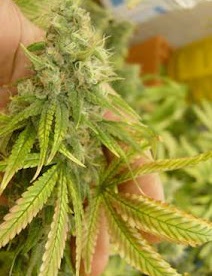
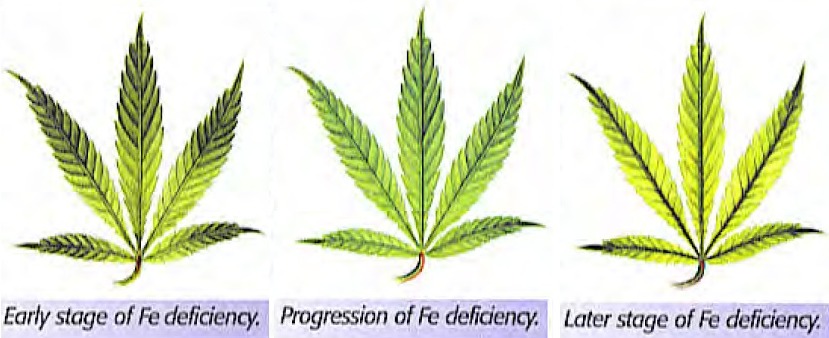
The earliest sign of iron deficiency in plants is chlorosis in which the young leaves turn pale yellow but the veins remain green. Left untreated, it later works down and inward to the older leaves.
To differentiate it from other nutrient problems, determine which part of the foliage turns yellow first. Again, a lack of iron first affects the newest and freshest growth which is on the top part of the plant. Whereas other mineral deficiencies target the leaves on the middle part or base of the plant.
  • Late Signs

Late Signs
Late Signs 

As the condition progresses, the pale-yellow color of young leaves will get brighter and spread on the whole leaf. Luckily, iron deficiency spreads very slowly. Hence, there is ample time to make the right diagnosis and provide the remedy.
However, if left to continue, the yellowing will occur in every new leaf which will give the plant no chance to manufacture enough food. Ultimately, the leaves will drop and the plant will stop growing. Expect to see minimal bud sites as well.
  • Causes
To effectively treat the affected plants, we must first learn the root of the problem. By doing so, we not only get ideas on how to solve it, we also learn how to prevent it. Below are some of the most common reasons for iron deficiency in the marijuana crop.
  • Bad Soil Drainage

Bad Soil Drainage
Bad Soil Drainage 

Growers who like to use soil as the grow medium should make sure that it has a good drainage. Otherwise, the water will pool and make the soil compact and choke the roots. This makes it difficult for the plant to absorb iron which is naturally present in soil but only in minute amounts.
Thus, when choosing a soil, it is best to avoid clay-based materials since this tends to hold water. Most growers use a potting mix since it drains well and has high-quality organic elements.
  • Excess of Other Minerals

Excess of Other Minerals
Excess of Other Minerals 

Most of the time, the problem can be due to the excess amount of other nutrients such as manganese, phosphorous, zinc, calcium, or copper. Too much of these minerals can build up and block the uptake of iron in the soil.
Hence, we must find a way to balance the number of nutrients and work hard to maintain it.
  • Imbalance in the pH Level

Imbalance in the pH Level
Imbalance in the pH Level 

A neutral or alkaline pH level is the most common cause of iron deficiency in marijuana plants. Interestingly, this happens when we use too much fertilizers.
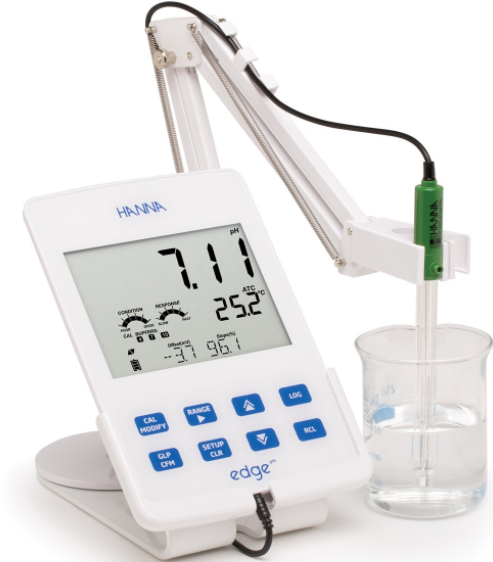
To promote the absorption of iron, keep the soil’s pH between 6.5 to 6.7 by using a pH meter. The good news is, most nutrients also become more available for the plants when we maintain this pH value.
  • Overwatering

Overwatering
Overwatering 

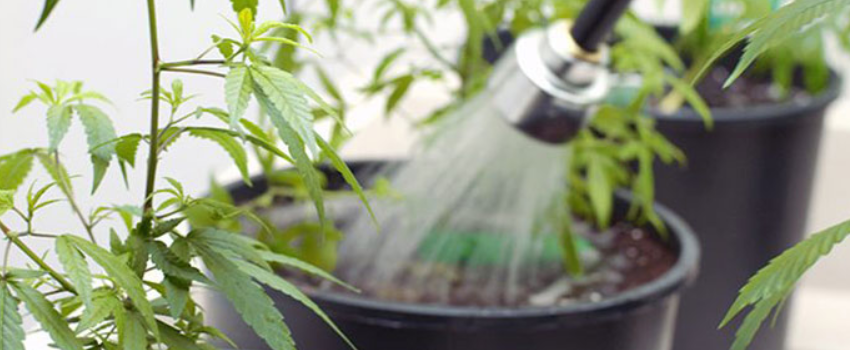
Like the effects of poor soil drainage, an overabundance of water limits the root from taking up iron. Therefore, it is best to know the correct watering practice to avoid this problem.
  • Using Coco Coir

Using Coco Coir
Using Coco Coir 

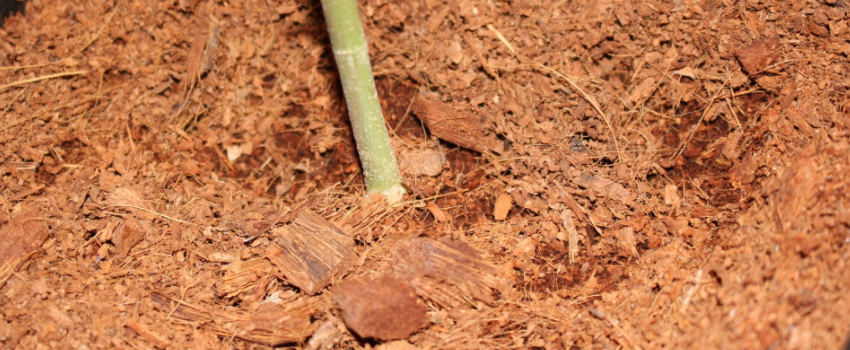
While iron deficiency can occur in all grow medium, it occurs most frequently in coco coir. This is mostly because this medium lacks organic iron and naturally contains a high amount of salt, making iron less available for the roots.
  • Treatments
After confirming the problem and finding out what causes it, we can now confidently save the crop. This involves applying the three basic ways that ensure a quick and effective treatment.
  • Flush and Add Nutrients

Flush and Add Nutrients
Flush and Add Nutrients 

Essentially, we want the grow medium to have the right pH that will promote the absorption of iron. In effect, this method provides the fastest recovery to malnourished plants.
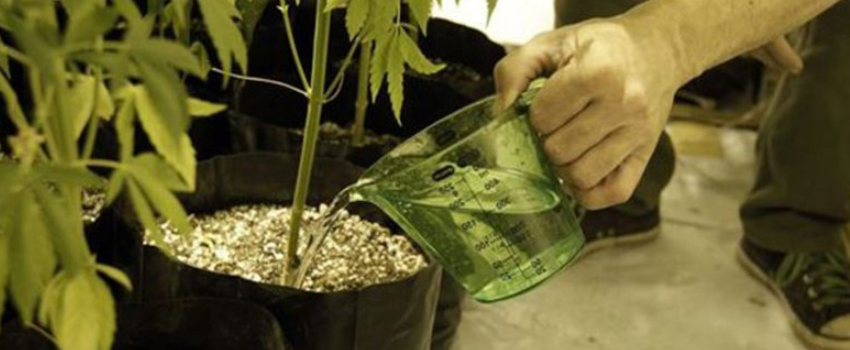
To start, we must flush the grow medium using water that has a pH of 6. This cleansing process makes sure that there are no excess minerals that locks out iron.
The next step is to follow it up in the next watering with an all-around nutrient solution designed for marijuana. Furthermore, to avoid the development of another nutrient problem, we must regularly check the pH of the grow medium.
  • Spray with Iron Chelate

Spray with Iron Chelate
Spray with Iron Chelate 

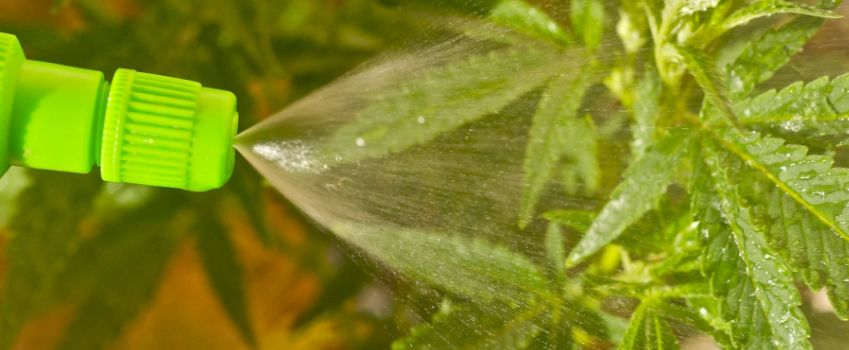
Applying iron chelate on the affected leaves helps them regain chlorophyll so they can turn green again. But this is only a temporary remedy for iron deficiency. As such, it helps only the leaves that are present during the spraying. Thus, we need to repeat the application every time a new growth appears.
  • Use Soil Additives
There are many products that are excellent sources of iron while also stabilizing the pH level of the soil. Hence, it’s up to the grower to select which one is the most convenient and suitable. But before starting any treatment, it is vital to flush the grow medium first so that it can facilitate iron absorption.
  • Compost

Compost
Compost 

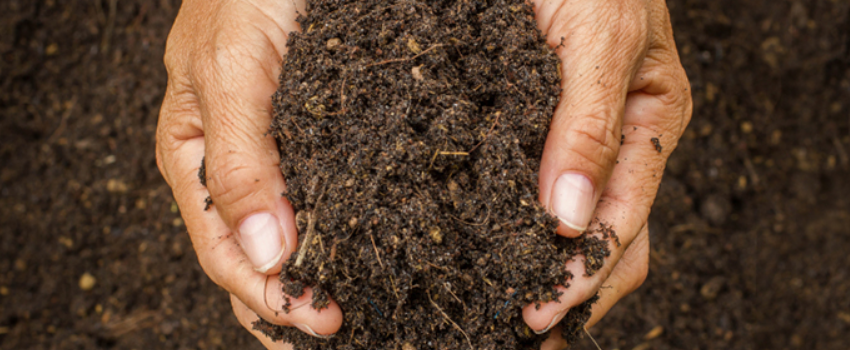
Adding compost decreases the pH value by 0.1 to 0.2. This helps stabilize the soil while also enriching it with iron. In addition, it also improves the drainage, helping the soil to readily take up trace minerals. To use, apply 3 to 4 inches of compost on the soil and work it up to 6 to 12 inches deep.
  • Elemental Sulfur

Elemental Sulfur
Elemental Sulfur 

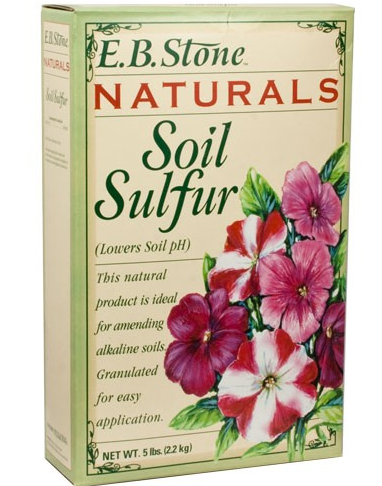
It usually takes months to see the positive effects of elemental sulfur but it is worth it. As such, it provides the longest-lasting cure for the problem, lowering the pH and making iron more readily available to the plants.
To get the best results, work the sulfur 6 inches into the soil about a year before planting. This serves as the perfect prevention of iron deficiency in marijuana plants.
  • Fertilizers

Fertilizers
Fertilizers 

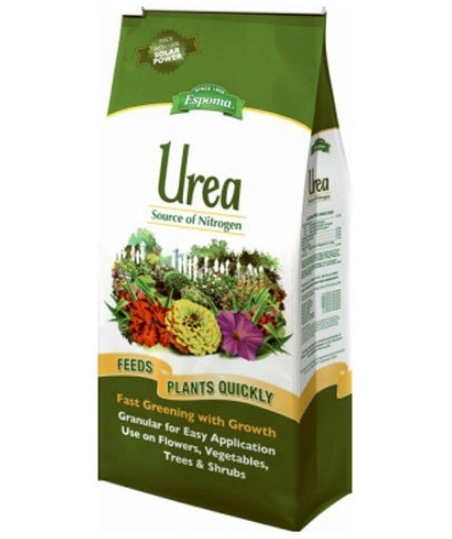
Another way to lower the pH level and make iron more accessible is to use nitrogen fertilizers. The ones that contain ammonium sulfate or urea works wonders in the soil. However, be careful to give only the amount that is recommended for the plant. For the sake of the plants, we want to avoid nutrient excess at all cost.

Immediate Treatment is Key to Fixing the Problem

As with all other nutrient problems, the only way to save the plant is by acting fast. While iron deficiency tends to occur gradually, it can spread and wreak havoc on the plant’s health. Moreover, a quick recovery is crucial for a perfect harvest.
As growers, our role is to monitor the nutrient status of the crop and make sure that they are in their optimal condition. Thus, having the patience to do this as well as the skills to spot the first sign of trouble can be very useful. Equally important is knowing what to do when such problem arises.

By learning all the information on iron deficiency, we increase our ability to take care of the plants. As a result, our crop flourishes and we have the guarantee of harvesting enjoyable buds.